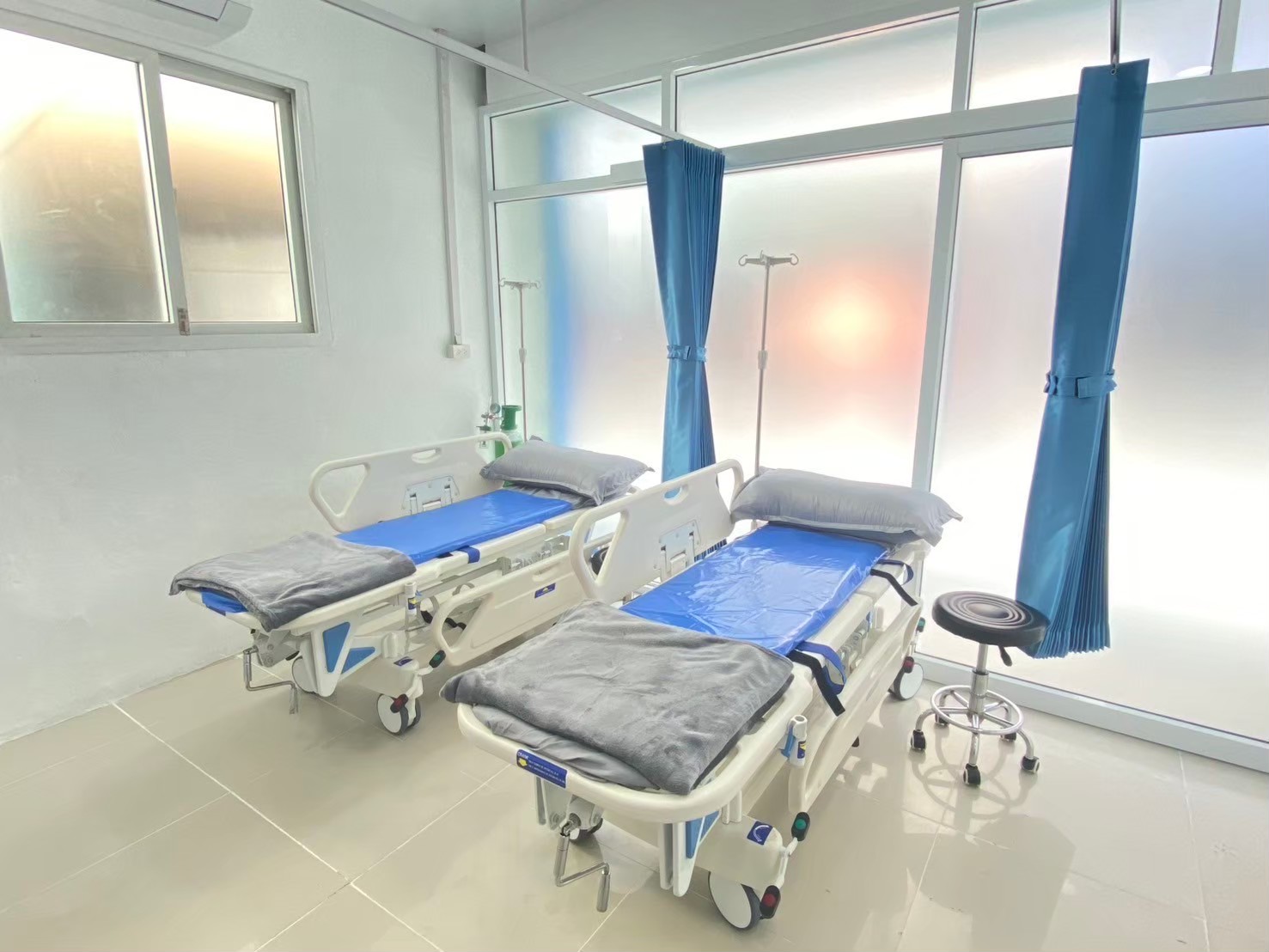
At Doctor Phi Phi Clinic, assessing the risk of rabies exposure is a critical first step in managing potential cases. The medical staff is trained to evaluate the nature of the exposure, considering factors such as the type of animal involved and the circumstances of the incident. This assessment helps determine whether rabies immunoglobulin is necessary as part of the treatment protocol. Immediate and accurate risk assessment is essential to prevent the onset of rabies, especially in a high-tourist area like Koh Phi Phi.
Rabies immunoglobulin is readily available at Doctor Phi Phi Clinic to ensure prompt treatment of high-risk exposure cases. The clinic maintains a well-stocked supply, adhering to WHO recommendations for handling potential rabies exposures. This availability is crucial for initiating immediate care, as the immunoglobulin must be administered as soon as possible after exposure to be effective. The clinic's capability to provide this treatment on-site underscores its commitment to public health and safety.
The treatment protocol for rabies exposure at Doctor Phi Phi Clinic follows stringent international guidelines. Once a risk assessment is completed, individuals identified at high risk receive rabies immunoglobulin, which provides immediate passive immunity. This is often followed by a series of rabies vaccinations to build active immunity over time. The clinic's adherence to these protocols ensures that each patient receives the highest standard of care in potentially life-threatening situations.
The medical team at Doctor Phi Phi Clinic is extensively trained in the latest rabies treatment and prevention techniques. Regular training sessions are conducted to keep the staff updated on the newest health protocols and best practices. This focus on continuous education helps ensure that the clinic's healthcare providers are prepared to effectively manage rabies exposures, which is particularly important in an area frequented by international tourists who may be unfamiliar with the risks.
Doctor Phi Phi Clinic extends its rabies prevention efforts beyond immediate treatment by engaging in community outreach. The clinic offers educational programs to tourists and local residents about the dangers of rabies and the importance of seeking immediate medical attention after an animal bite. This proactive approach helps raise awareness and reduces the incidence of rabies exposures by encouraging responsible interactions with wildlife and domestic animals in Koh Phi Phi.
Key Services at Doctor Phi Phi Clinic:
In the serene surroundings of Koh Phi Phi, the risk of rabies, primarily from animal bites, poses a significant health concern for both residents and tourists. The provision of rabies immunoglobulin at Doctor Phi Phi Takecare Clinic is a critical service, offering immediate care to those exposed to potentially rabid animals. This article explores the availability and administration of rabies immunoglobulin, ensuring the safety and well-being of all visitors to the island.
Rabies is a deadly virus transmitted through the saliva of infected animals. Popular tourist destinations like Koh Phi Phi are not exempt from the risks it poses. Here, we discuss the nature of rabies, how it spreads, and why immediate treatment is crucial.
Identifying high-risk exposure scenarios is key to preventing rabies. We detail the common situations where tourists might encounter rabies risk on the island, from stray dogs to wild monkeys, and the appropriate steps to take following an exposure.
Rabies immunoglobulin plays a pivotal role in rabies prophylaxis. This section explains how it works to neutralize the virus post-exposure, its importance in the treatment protocol, and its effectiveness in preventing the disease from taking hold.
Doctor Phi Phi Takecare Clinic is equipped to administer rabies immunoglobulin as part of a comprehensive response to rabies exposures. We provide details on the availability of the treatment, including stock levels and how the clinic ensures its readiness to handle emergencies.
Adhering to WHO protocols is essential for the effective management of rabies exposures. This section outlines the standards of care prescribed by WHO that Doctor Phi Phi Clinic follows, ensuring the highest level of medical response during these critical situations.
For tourists who may need rabies immunoglobulin, knowing how to quickly access treatment is vital. Here, we guide you through the process of obtaining care at the clinic, from initial contact to the administration of immunoglobulin.
Beyond emergency treatment, preventative measures play a crucial role in rabies prevention. We offer advice on vaccination and other preventative practices that tourists can undertake to safeguard against rabies, enhancing their safety during their stay on Koh Phi Phi.
Hearing from others who have received rabies immunoglobulin at Doctor Phi Phi Clinic can provide reassurance and insight into the experience. This section includes testimonials from previous patients who have undergone treatment, reflecting on the care they received.
For immediate assistance or to learn more about rabies treatment, contact details and operating hours of Doctor Phi Phi Clinic are provided. Ensuring that tourists have this information readily available can make all the difference in an emergency situation.
As a bustling tourist destination, Koh Phi Phi welcomes travelers from all around the globe, offering both stunning natural beauty and vibrant nightlife. However, amidst all the fun and exploration, health and safety remain top priorities. Particularly, the risk associated with rabies from animal bites poses a significant health concern for tourists. Doctor Phi Phi Takecare Clinic stands as a critical health resource on the island, specifically equipped to manage such emergencies.
Rabies is a deadly virus transmitted through the bite or scratch of an infected animal. It affects the central nervous system, leading to fatal outcomes if not treated promptly and properly. In Koh Phi Phi, where interactions with stray animals can be common, understanding the risks and knowing where to get help is crucial for every tourist.
Rabies immunoglobulin (RIG) is a key component of post-exposure prophylaxis (PEP). Administered immediately after exposure, RIG provides passive immunity and is crucial in neutralizing the virus before it infiltrates the nervous system. This treatment is especially vital for individuals who have never been vaccinated against rabies.
The Doctor Phi Phi Takecare Clinic is well-equipped with rabies immunoglobulin as part of its emergency response services. The clinic ensures that RIG is available throughout the year to address any incidents of high-risk rabies exposure promptly.
Adhering to the World Health Organization's protocols, the Doctor Phi Phi Takecare Clinic maintains rigorous standards of care. The clinic's approach to rabies exposure includes immediate assessment, administration of RIG, and a full course of rabies vaccination to ensure comprehensive treatment and prevention of the disease.
If you or someone you know is bitten or scratched by an animal in Koh Phi Phi, it is crucial to seek medical attention immediately. Doctor Phi Phi Takecare Clinic is centrally located and accessible to all tourists. Walk-in visits are accepted, and emergency services are available 24/7 to address any urgent care needs.
Upon visiting the clinic for rabies exposure, the medical team will assess the injury and determine the risk level. If RIG is deemed necessary, it will be administered promptly along with the first dose of the rabies vaccine. Follow-up doses are scheduled accordingly to ensure full protection.
Treatment costs for rabies exposure, including RIG, can vary. Doctor Phi Phi Takecare Clinic supports various insurance plans and offers assistance in dealing with medical claims for tourists. It's advisable to have travel insurance that covers such emergencies.
While the clinic provides all necessary treatments for rabies exposure, prevention is always better than cure. Tourists are advised to avoid direct contact with stray animals and to report any incidents of bites or scratches to local health authorities immediately.
Doctor Phi Phi Takecare Clinic collaborates closely with local health departments to monitor and manage rabies risks on the island. This partnership ensures a coordinated response to public health emergencies, safeguarding both residents and tourists alike.
Rabies Immunoglobulin Provision at Doctor Phi Phi Clinic
For tourists visiting the idyllic Koh Phi Phi, the risk of rabies from animal bites poses a serious health concern. Doctor Phi Phi Takecare Clinic has established a robust protocol for addressing high-risk rabies exposures, ensuring that both residents and visitors have immediate access to critical care. This article explores the availability and administration of rabies immunoglobulin at the clinic, adhering to the highest standards set by the World Health Organization (WHO).
Rabies Immunoglobulin (RIG) is a key component in the post-exposure prophylaxis (PEP) of rabies. It provides immediate, passive immunity to individuals who have been exposed to the rabies virus, typically through the bite or scratch of an infected animal.
RIG works by neutralizing the rabies virus before it can spread to the central nervous system, where it becomes fatal. This treatment is most effective when administered promptly after exposure, alongside the rabies vaccine.
Koh Phi Phi's diverse wildlife, including monkeys and stray dogs, are potential carriers of the rabies virus. Tourists interacting with these animals are at a higher risk of exposure.
Recent statistics indicate a rise in reported cases of animal bites among tourists, underscoring the critical need for accessible rabies prophylaxis on the island.
The clinic maintains a well-stocked supply of RIG to ensure it is available whenever needed. Tourists can access this treatment without significant delays, which is crucial for effective rabies prevention.
Doctor Phi Phi Clinic follows strict WHO guidelines in the administration of RIG. The treatment is administered based on the nature of the exposure and the individual's medical history.
For tourists planning to visit high-risk areas, the clinic offers pre-exposure rabies vaccination, which simplifies and enhances the efficacy of post-exposure treatments.
The recommended schedule for pre-exposure vaccination includes three doses, providing protection that makes subsequent treatments in the event of exposure less complex.
Following a potential rabies exposure, immediate washing of the wound with soap and water is crucial, followed by the prompt administration of RIG and the rabies vaccine at the clinic.
Doctor Phi Phi Clinic ensures comprehensive follow-up care to monitor the patient's response to treatment and to administer additional doses of the rabies vaccine as needed.
The clinic works closely with local health authorities to monitor and manage rabies risks on the island, enhancing safety measures for both locals and tourists.
Doctor Phi Phi Clinic conducts regular educational programs to raise awareness among the community and tourists about the risks of rabies and the importance of immediate treatment following exposure.
The clinic is staffed by healthcare professionals who specialize in infectious diseases, particularly rabies, providing reliable and expert care.
With a patient-first approach, the clinic prioritizes the health and safety of each individual, ensuring that all receive the highest standard of care in their time of need.
For tourists enjoying the beautiful landscapes and vibrant culture of Koh Phi Phi, safety remains a paramount concern, particularly regarding health. At Doctor Phi Phi Takecare Clinic, one significant aspect of health preparedness involves the provision of rabies immunoglobulin, a crucial treatment for those who might be exposed to this deadly virus. This article provides detailed information on how Doctor Phi Phi Clinic is equipped to handle such emergencies, adhering to the highest standards of care in line with WHO protocols.
Rabies is a viral disease that primarily spreads through the bites or scratches of infected animals. It affects the central nervous system, leading to brain disease and, if left untreated, death. Understanding the gravity of the disease is crucial for every tourist, as timely intervention can prevent complications.
In Koh Phi Phi, the most common carriers of rabies are stray dogs, cats, and monkeys. These animals can sometimes come into contact with humans, especially in areas with high tourist traffic. Knowing which animals pose a risk can help in avoiding potential exposure.
One of the most effective ways to prevent rabies is vaccination before traveling to an endemic area like Koh Phi Phi. Tourists are advised to consider pre-exposure vaccinations, which involve receiving a series of injections before arrival.
Avoiding interaction with wild or stray animals can significantly reduce the risk of rabies. Tourists should be informed about the importance of not feeding or attempting to pet animals they encounter.
Doctor Phi Phi Takecare Clinic maintains a stock of rabies immunoglobulin, essential for the treatment of high-risk exposure to rabies. The clinic ensures that immunoglobulin is readily available for both residents and tourists, reflecting their commitment to health safety.
Rabies immunoglobulin is administered immediately after exposure to an infected or suspected infected animal. This treatment is critical as it provides passive immunity to the virus, significantly reducing the risk of development into full-blown rabies.
The clinic adheres strictly to WHO-recommended protocols in the administration of rabies immunoglobulin. This includes assessment of the exposure level, immediate wound cleaning, and the administration of immunoglobulin based on the severity of the contact.
All medical personnel at Doctor Phi Phi Clinic are thoroughly trained in the latest rabies treatment protocols. Continuous education ensures that they remain knowledgeable about the best practices in rabies exposure management.
The clinic works closely with local health authorities to ensure a coordinated response to rabies exposures. This collaboration helps in tracking and managing the incidence rates of rabies within the island.
Doctor Phi Phi Clinic is part of a broader network of health providers that share knowledge, skills, and resources to enhance rabies treatment protocols. This international cooperation further solidifies the clinic's capability to manage rabies exposures effectively.
Upon reporting a rabies exposure, the clinic's emergency response team is swift to evaluate and administer necessary treatments, including rabies immunoglobulin. Prompt action can be the difference between recovery and severe health consequences.
Doctor Phi Phi Clinic also takes an active role in educating tourists about what to do in case of potential rabies exposure. Clear communication helps ensure that tourists can respond effectively in an emergency, seeking immediate help from the clinic.
Beyond handling rabies exposures, Doctor Phi Phi Clinic offers comprehensive health services to address a variety of medical needs for tourists. This holistic approach to health care ensures that every visitor's stay on the island is safe and enjoyable.
The clinic continually evaluates and improves its services based on feedback and the evolving health landscape. This commitment to excellence ensures that the clinic remains at the forefront of emergency health services in Koh Phi Phi.